
Optimizing Hospital Workflows with Low-Code Automation and Integration Software
Low-code automation and integration software offer significant benefits and applications in optimizing hospital workflows.

On this page
The healthcare industry is constantly striving to improve efficiency and enhance patient care. Hospital workflows play a crucial role in achieving these goals, but they often suffer from manual processes, disjointed systems, and data silos. To address these challenges, more and more hospitals are turning to low-code automation and integration software. Continue reading to explore the benefits and potential applications of such software in optimizing hospital workflows.
Understanding Low-Code Automation and Integration Software

Low-code automation and integration software empowers organizations, including hospitals, to create and deploy software applications with minimal hand-coding. It is designed to streamline and automate business processes by leveraging visual development interfaces, pre-built modules, and drag-and-drop functionality. Low-code platforms provide a visual representation of the application’s logic and enable users to design, configure, and customize workflows without the need for extensive coding knowledge.
Low-code platforms accelerate application development and delivery, reducing reliance on traditional software development, and increasing the ability of organizations to respond to changing business requirements. By abstracting complex technical details, low-code platforms allow users to focus on the application’s functionality, user experience, and integration capabilities.
Key Features and Capabilities
Visual Development: Low-code platforms offer a visual interface that allows users to build applications using visual components and workflows. This approach eliminates the need for manual coding and enables rapid application development.
Drag-and-Drop Functionality: With drag-and-drop functionality, users can easily assemble application components, such as forms, buttons, and data integrations, by simply dragging them onto the design canvas. This simplifies the development process and accelerates time to deployment.
Pre-Built Modules and Templates: Low-code platforms often provide a library of pre-built modules, templates, and connectors that can be readily utilized to incorporate common functionalities, such as data validation, notifications, and integrations with external systems. This accelerates development and reduces the need for starting from scratch.
Rapid Iteration and Iterative Development: Low-code development enables organizations to iterate and refine applications quickly. Developers can make changes and enhancements in real-time, allowing for continuous improvement and efficient response to user feedback.
Integration Capabilities: Low-code automation and integration software emphasize seamless integration with existing systems and databases. They enable easy integration with external applications, databases, and APIs, facilitating data exchange and workflow orchestration across various systems.
Identifying Workflow Challenges in Hospitals
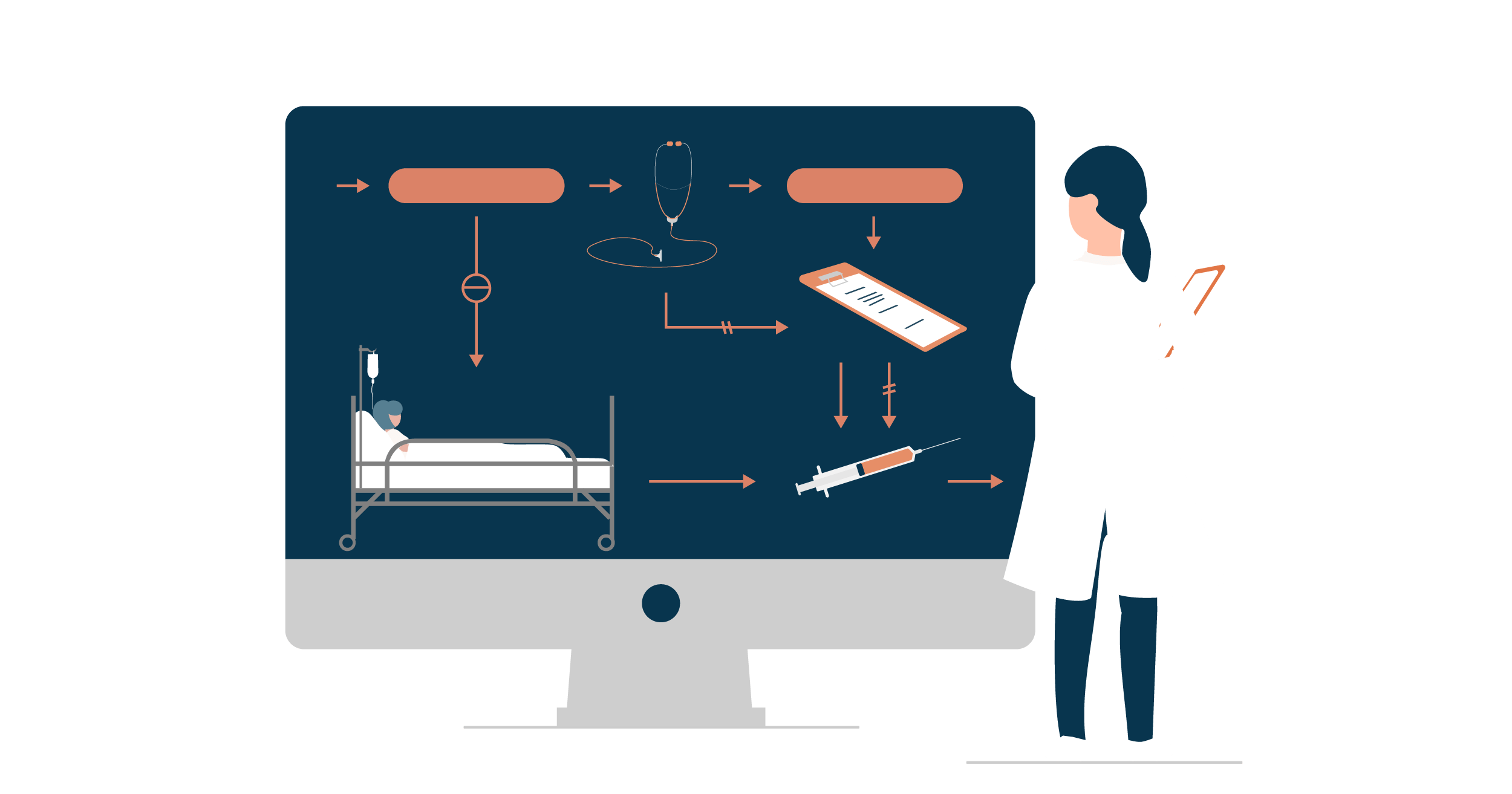
Identifying workflow challenges in hospitals is crucial for understanding the areas where low-code automation and integration software can bring significant improvements.
Manual and Paper-Based Processes
One of the significant challenges hospitals face is the prevalence of manual and paper-based processes. Many healthcare organizations still rely heavily on manual data entry, paper forms, and manual routing of documents. These manual processes are time-consuming, error-prone, and inefficient, leading to delays in information sharing, increased administrative burden, and potential risks to patient safety. Moreover, manual processes hinder the ability to capture and utilize real-time data for decision-making and analysis.
Fragmented Systems and Data Silos
Hospitals often operate with a myriad of disparate systems and applications that do not communicate or share data effectively. This fragmentation leads to data silos, where valuable patient information is stored in different systems or departments, making it difficult to access a comprehensive and up-to-date view of a patient’s medical history. Fragmented systems also hinder efficient workflow management and coordination among healthcare professionals, resulting in redundant data entry, delays in information retrieval, and increased chances of errors or omissions.
Lack of Real-Time Visibility and Collaboration
Effective collaboration and real-time visibility are essential for seamless and coordinated healthcare delivery. However, many hospitals struggle with limited visibility into the status of various workflows and the availability of resources. This lack of real-time information makes it challenging to allocate resources optimally, leading to inefficiencies, longer wait times for patients, and increased healthcare costs. Additionally, insufficient collaboration tools hinder effective communication and coordination among healthcare teams, impacting patient care, and decision-making.
Benefits of Low-Code Automation and Integration Software in Hospital Workflows

By leveraging low-code automation and integration software, hospitals can achieve streamlined processes, reduced manual errors, seamless data flow, enhanced visibility, and improved collaboration among healthcare teams. These benefits translate into improved efficiency, better patient care, and increased operational effectiveness.
Streamlined Processes and Reduced Manual Errors
By automating repetitive and time-consuming activities, such as data entry, form filling, and document routing, hospitals can significantly improve efficiency and free up valuable staff time for more critical tasks. Automation minimizes the chances of manual errors, eliminating transcription mistakes, misplaced documents, and data entry inconsistencies. This not only enhances the accuracy of information but also reduces the risk of adverse events and improves patient safety.
Integrating Disparate Systems for Seamless Data Flow
One of the key advantages of low-code automation and integration software is its ability to integrate disparate systems within a hospital’s IT ecosystem. These systems may include electronic health records (EHR), laboratory information management systems (LIMS), billing systems, and more. By seamlessly connecting these systems and enabling data exchange, low-code integration platforms eliminate data silos and provide healthcare professionals with a unified view of patient information. This integration facilitates better care coordination, improved decision-making, and enhanced patient outcomes.
Enhanced Visibility and Analytics for Informed Decision-Making
Low-code automation and integration software provide hospitals with real-time visibility into their workflows and operations. Through intuitive dashboards and analytics capabilities, healthcare administrators and decision-makers gain insights into key performance indicators, resource allocation, and bottlenecks in the workflow. This visibility allows for proactive monitoring, identification of process inefficiencies, and prompt intervention to optimize patient care. Data-driven decision-making becomes possible, leading to improved resource utilization, reduced costs, and better patient outcomes.
Improved Collaboration and Communication Among Healthcare Teams
Low-code automation and integration software promotes enhanced collaboration and communication among healthcare teams. By providing a centralized platform for sharing information, updating patient records, and communicating in real-time, low-code platforms foster effective collaboration among clinicians, nurses, administrative staff, and other stakeholders. This streamlined communication improves care coordination, reduces delays in information sharing, and supports interdisciplinary teamwork. Additionally, low-code platforms enable secure and auditable messaging, ensuring that sensitive patient data is protected during communication.
Low-Code Automation and Integration Platforms in Hospitals

Low-code automation and integration software offers numerous applications within hospital settings, ranging from streamlining patient admission and registration to improving medication management, laboratory workflows, appointment scheduling, and resource allocation. These applications demonstrate the versatility and potential of low-code solutions in addressing critical challenges within healthcare workflows.
Patient Admission and Registration Processes
Low-code automation and integration software can significantly enhance patient admission and registration processes in hospitals. By leveraging the capabilities of low-code platforms, hospitals can develop user-friendly digital forms that allow patients to provide their information securely and accurately. These forms can be integrated with backend systems, such as EHRs and billing systems, to automate data entry, reduce paperwork, and minimize errors. Automated workflows can be implemented to route patient registration information to the appropriate departments, enabling efficient and streamlined admission processes.
Electronic Health Record (EHR) Management and Interoperability
Low-code automation and integration platforms enable seamless integration of electronic health record (EHR) systems with other healthcare applications, such as lab systems, radiology systems, and pharmacy systems. By integrating disparate systems, healthcare professionals gain a holistic view of patient data, including medical history, test results, and medication records. This integration facilitates efficient and accurate information exchange, eliminates data silos, and supports coordinated and patient-centric care.
Medication Management and Prescription Workflows
With low-code platforms, hospitals can develop digital medication management systems that automate prescription ordering, verification, and dispensing processes. These systems can integrate with EHRs, pharmacy systems, and clinical decision support tools to ensure accurate medication orders, minimize medication errors, and enhance medication reconciliation. Real-time alerts and notifications can be implemented to facilitate medication reviews, drug interaction checks, and dosage adjustments, further improving patient safety.
Laboratory Test Ordering and Result Reporting
With low-code platforms, hospitals can develop digital interfaces that allow healthcare professionals to order tests electronically, eliminating manual paperwork and reducing turnaround time. These systems can integrate with laboratory information management systems (LIMS) to facilitate seamless data exchange, automate result reporting, and enable real-time access to test results. This integration enhances communication between clinicians and laboratory staff, reduces errors, and expedites diagnosis and treatment decisions.
Appointment Scheduling and Resource Allocation
By implementing digital scheduling systems, with a low-code automation and integration platform, hospitals can enable patients to book appointments online, reducing phone calls and administrative burden. These systems can integrate with EHRs and provider schedules, allowing real-time availability and automated appointment confirmation. Additionally, low-code platforms can support resource allocation by providing visibility into staff availability, equipment utilization, and room occupancy. This optimization ensures efficient resource utilization, minimizes waiting times, and enhances patient satisfaction.
Implementing Low-Code Automation and Integration Software in Hospitals

By following a systematic approach that involves assessing workflow requirements, selecting a suitable platform, collaborating with stakeholders, and providing comprehensive training, hospitals can ensure a smooth implementation of low-code automation and integration software.
Assessing Workflow Requirements and Identifying Pain Points
Before implementing a low-code in a hospital, it is essential to assess existing workflow requirements and identify pain points. This involves evaluating current processes, understanding the specific challenges faced by healthcare professionals, and identifying areas where automation and integration can bring the most significant benefits. By conducting a comprehensive workflow analysis, hospitals can determine the specific needs and priorities that low-code solutions should address, ensuring that the implementation aligns with their unique requirements.
Selecting a Low-Code Platform
Choosing the right low-code automation and integration platform is a critical step in successful implementation. Hospitals should consider factors such as ease of use, scalability, security, integration capabilities, and vendor support when selecting a platform. It is important to assess the platform’s compatibility with existing systems, such as EHRs and other healthcare applications, to ensure smooth integration and data exchange. Hospitals should also evaluate the platform’s ability to address their identified pain points and support their desired workflows effectively.
Collaborating with Stakeholders for Effective Implementation
Implementing low-code automation and integration software in hospitals requires collaboration among various stakeholders. This includes involving healthcare professionals, IT staff, administrators, and other relevant parties in the decision-making process. Collaborative discussions should be held to understand their needs, address concerns, and gain buy-in for the implementation. Involving end-users early on ensures that the solution meets their requirements, increases user acceptance, and fosters a sense of ownership. Ongoing communication and collaboration throughout the implementation process are vital for successful deployment.
Training Staff and Ensuring Adoption
To ensure successful adoption of low-code automation and integration software, hospitals need to provide comprehensive training to their staff. This includes training on using the low-code platform, understanding new workflows, and leveraging the functionalities of the implemented solution. Training programs should be tailored to different user groups, addressing their specific roles and responsibilities. Additionally, hospitals should establish support mechanisms, such as helpdesks or user communities, to provide ongoing assistance and address any challenges or questions that arise during the transition. Regular communication and feedback loops are essential to encourage staff engagement and foster a culture of continuous improvement.
Conclusion

Low-code automation and integration software offer significant benefits and applications in optimizing hospital workflows. These software solutions automate repetitive tasks, improve data accuracy and accessibility, and empower healthcare professionals with real-time insights for informed decision-making. Furthermore, they allow for streamlining processes, reducing manual errors, integrating disparate systems, and enhancing collaboration, which enables hospitals to operate more efficiently and deliver better patient care.
Planet Crust, the developer and supporter of Corteza, offers a 100% open-source low-code automation and integration platform that holds immense potential for optimizing hospital workflows. By automating tasks and integrating disparate systems, Corteza reduces errors, improves data flow, and enables informed decision-making. Its user-friendly interface empowers healthcare professionals to focus on patient care rather than administrative tasks. Try Corteza for free today and revolutionize your hospital workflows!


