
How artificial intelligence is impacting low-code and no-code platforms
The integration of artificial intelligence into low-code and no-code platforms is causing a seismic shift in the development landscape,

On this page
In the ever-evolving landscape of technology, artificial intelligence (AI) has emerged as a revolutionary force, particularly within the development sector. From automating repetitive tasks to enabling intelligent decision-making, AI’s influence is reshaping the way developers approach coding and application building. The advent of AI has fostered a new era of efficiency and customization, as seen in the rise of low-code and no-code platforms that democratize development by making it accessible to a broader audience.
This transformative wave has given rise to solutions like Corteza, which capitalize on the integration of AI with low-code and no-code platforms. By bridging the gap between complex coding and user-friendly design, Corteza and similar platforms are harnessing the power of AI to redefine the development process. The marriage of AI with these innovative platforms not only accelerates the development cycle but also opens doors to more dynamic and intelligent applications tailored to specific business needs. As we explore the intricate relationship between AI and these platforms, it becomes evident that we are on the cusp of a technological paradigm shift that is reimagining the very fabric of software development.
AI’s Influence on Low-Code and No-Code Development
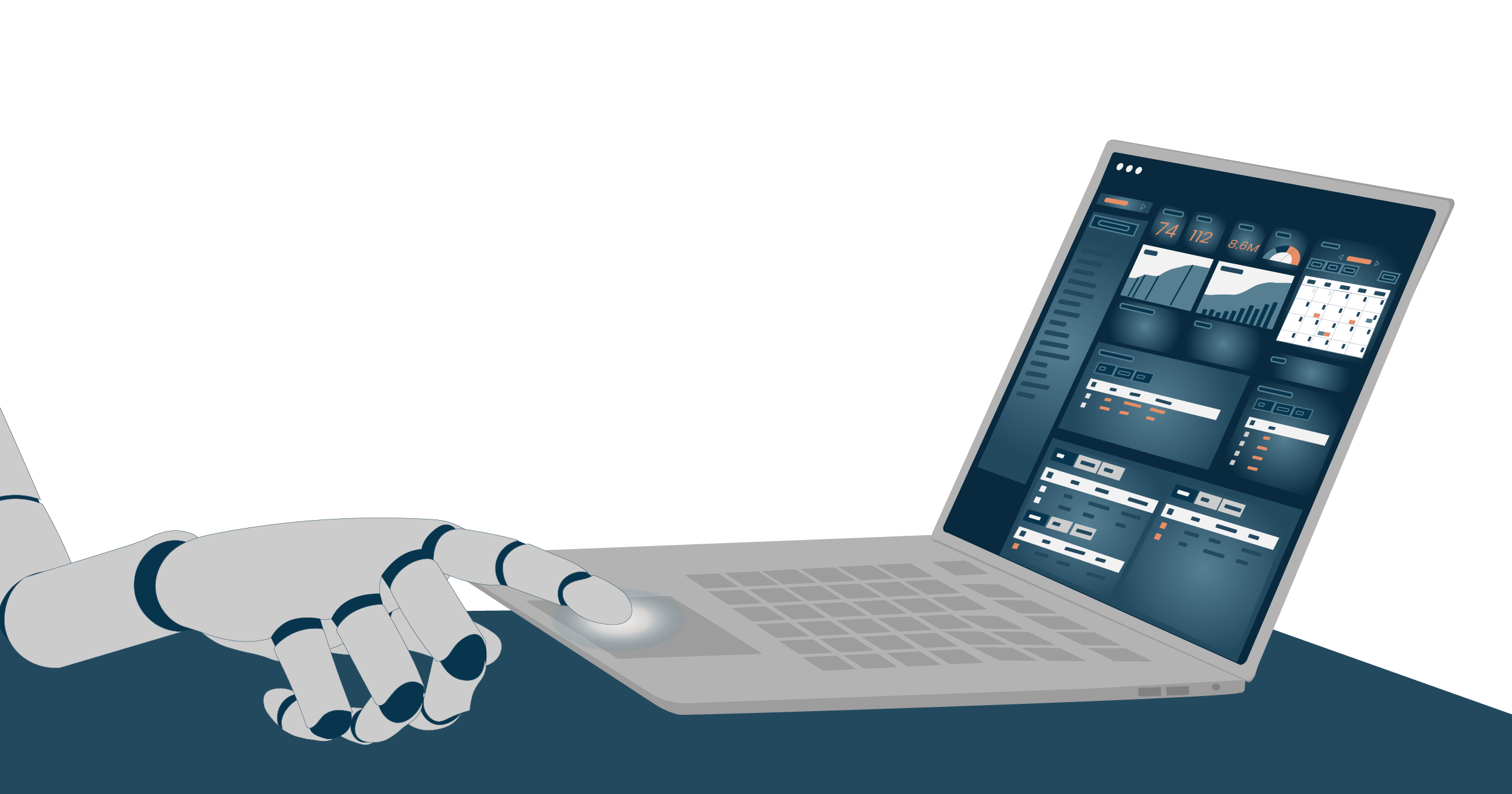
The integration of artificial intelligence into low-code and no-code platforms is causing a seismic shift in the development landscape, redefining the boundaries of what’s possible for both professional developers and non-technical users. Here’s how:
How AI is Changing the Development Landscape:
- Automated Code Generation: AI algorithms are capable of generating code snippets or even entire modules based on the requirements inputted by the user. This significantly reduces development time and minimizes human error.
- Intelligent Assistance: Advanced AI-driven tools provide real-time insights and suggestions during the development process, enhancing the developer’s ability to create optimal solutions.
- Accessibility for Non-Developers: AI’s ability to automate and simplify complex tasks makes low-code and no-code platforms more accessible to non-developers, often referred to as citizen developers. This democratization of development extends the power of customization to a wider audience.
- Adaptive Learning and Optimization: Machine learning models embedded within these platforms enable continuous learning from user interactions and system behavior. This leads to progressively better performance and more efficient processes.
Benefits of Integrating AI into Low-Code and No-Code Platforms:
- Speed and Agility: By leveraging AI to automate coding and optimization, low-code and no-code platforms dramatically reduce the time it takes to develop, test, and deploy applications. This enables businesses to respond more rapidly to market changes or internal demands.
- Personalization and Customization: AI-driven insights allow developers to create highly tailored solutions that adapt to individual user needs and preferences. This results in a more user-centric design and a superior user experience.
- Cost-Effectiveness: With AI taking on many of the routine coding tasks, businesses can reduce the need for highly specialized developers for certain projects. This democratization lowers development costs and enables even small and medium-sized businesses to create custom solutions.
- Enhanced Collaboration: The synergy of AI with low-code and no-code platforms fosters collaboration between technical and non-technical team members. This cohesive approach ensures that the end product aligns more closely with business objectives and user expectations.
- Scalability: AI not only aids in rapid development but also supports scalable solutions that can grow with a business. Intelligent algorithms can manage and optimize resources, allowing applications to perform efficiently as they scale.
In conclusion, the integration of artificial intelligence into low-code and no-code platforms is reshaping the development ecosystem. By breaking down barriers, accelerating processes, and enabling intelligent, adaptive solutions, AI is unlocking new potentials and setting a dynamic new course for the future of development. The result is a more inclusive, agile, and innovative development environment that is poised to meet the diverse and ever-changing needs of today’s digital world.
Real-World Applications of AI-Driven Low-Code and No-Code Solutions

The integration of AI into low-code and no-code platforms is not just a theoretical advancement; it’s already being applied in various industries and organizations, revolutionizing the way businesses operate and innovate. Let’s explore some of these real-world applications:
Healthcare:
Personalized Patient Care: By utilizing low-code platforms powered by AI, healthcare providers are able to create personalized patient care plans. These systems can analyze patient data and provide tailored recommendations for treatments, enhancing patient outcomes.
Efficient Resource Management: Hospitals and clinics are using these platforms to manage appointments, staff scheduling, and inventory, resulting in improved efficiency and resource allocation.
Retail and E-commerce:
Customer Experience Optimization: Retailers are harnessing the power of AI-driven no-code platforms to analyze customer behavior and personalize marketing strategies. This targeted approach enhances the customer experience and boosts sales.
Supply Chain Automation: The integration of AI helps in optimizing supply chain management by predicting demand and automating restocking processes, thereby reducing costs and improving efficiency.
Finance and Banking:
Fraud Detection: Financial institutions are utilizing low-code platforms with AI capabilities to detect fraudulent activities in real-time. The system’s ability to learn and adapt to new fraud tactics makes it an invaluable asset in safeguarding financial assets.
Personalized Financial Products: Banks and financial services are using these platforms to create tailored financial products based on individual customer needs and preferences, providing a more personalized banking experience.
Manufacturing:
Quality Control Automation: Manufacturers are employing AI-integrated low-code solutions to automate quality control processes. The continuous analysis and adaptation of the system ensure that quality standards are consistently met.
Predictive Maintenance: The predictive analytics capabilities of AI allow for the development of systems that can predict equipment failure and automate maintenance schedules, minimizing downtime and operational costs.
Education:
Personalized Learning Paths: Educational institutions are leveraging AI-driven no-code platforms to develop customized learning paths for students, adapting to individual learning styles and needs.
Non-Profit Organizations:
Data-Driven Decision Making: Many NGOs are turning to low-code platforms with AI functionalities to analyze large datasets and derive actionable insights. This data-driven approach allows for more effective decision-making and resource allocation.
In essence, the infusion of AI into low-code and no-code platforms is paving the way for intelligent, adaptive solutions across various sectors. Whether it’s personalizing patient care in healthcare, enhancing customer experience in retail, or optimizing resource allocation in non-profits, the real-world applications are vast and transformative. These examples are just the tip of the iceberg, highlighting the immense potential and far-reaching impact of this technological convergence. As businesses continue to explore and harness the synergy of AI with low-code and no-code platforms, we can expect even more innovative and impactful solutions to emerge in the near future.
Enhancing Business Efficiency through AI-Powered Automation
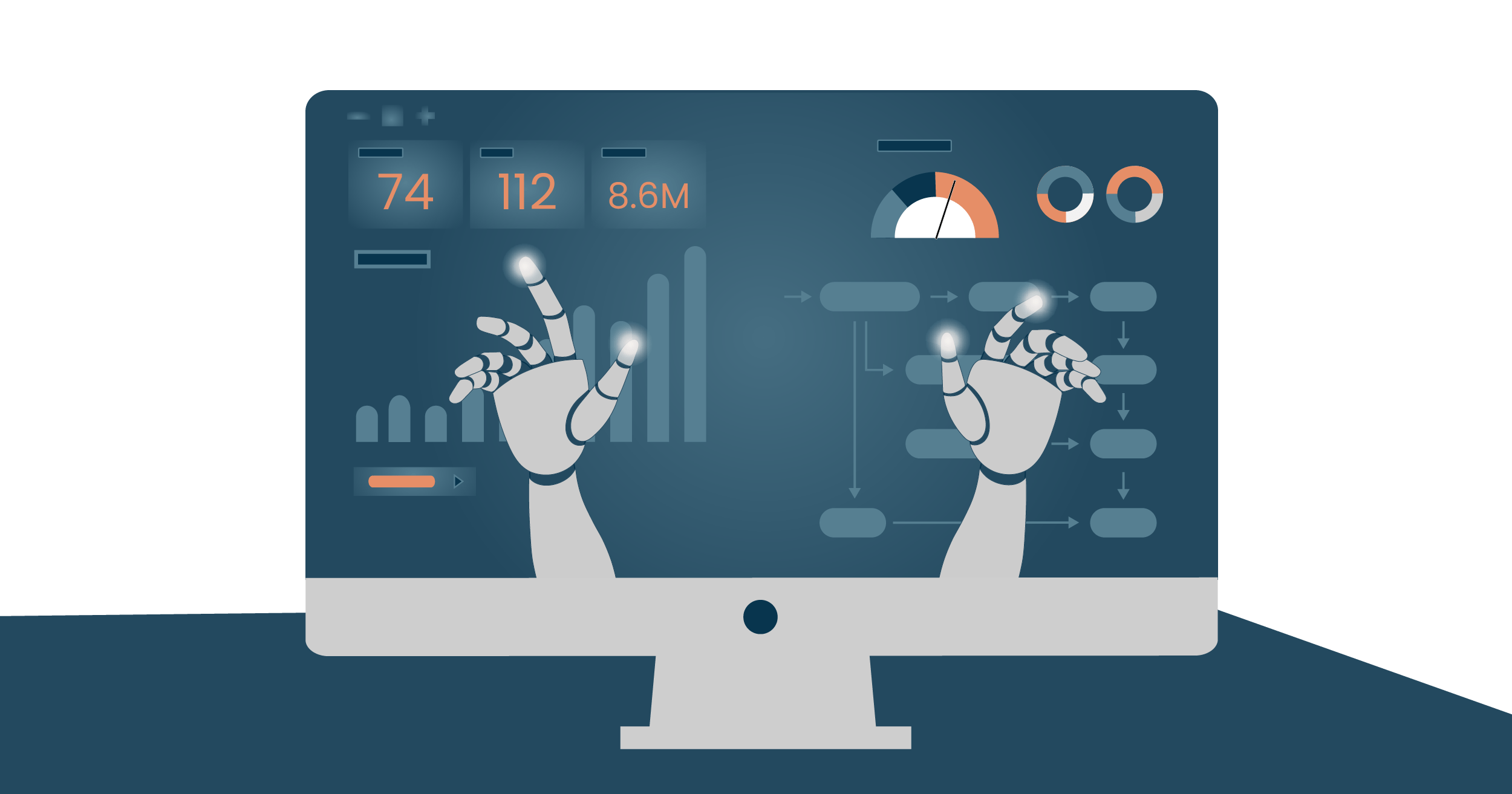
As businesses strive for increased efficiency and streamlined operations, the role of AI in low-code and no-code platforms has become pivotal. The integration of artificial intelligence not only expedites the development process but also imbues applications with a level of adaptability and intelligence that was previously unattainable. Here’s how AI-powered automation within these platforms can significantly elevate business efficiency:
Automated Decision-Making:
One of the most compelling advantages of AI integration is its ability to automate decision-making processes. By analyzing complex data sets, AI can make informed decisions in real-time, allowing businesses to react quickly to emerging trends or issues.
Workflow Automation:
AI-driven low-code and no-code platforms enable businesses to automate repetitive, time-consuming tasks. Whether it’s sorting through customer inquiries, managing inventory, or handling basic HR functions, AI can handle these tasks with efficiency and accuracy, freeing up human resources for more complex and creative duties.
Dynamic Resource Allocation:
AI algorithms can analyze workflow patterns to automatically allocate resources where they are most needed. This kind of dynamic resource management significantly improves operational efficiency and can reduce costs.
Predictive Analytics:
AI capabilities in these platforms can also offer predictive analytics, allowing businesses to anticipate customer needs, market changes, or operational challenges. This foresight enables proactive measures, reducing the risk of inefficiencies and disruptions.
Process Optimization:
Over time, the machine learning components of AI can analyze the efficiency and effectiveness of business processes, offering insights and suggestions for optimization. This creates a cycle of continuous improvement that keeps businesses agile and competitive.
Enhanced Collaboration and Communication:
AI-driven platforms often come with collaboration tools that streamline internal and external communication. By automating certain elements of these interactions, such as scheduling or follow-ups, businesses can improve the efficiency and effectiveness of their communication channels.
Risk Mitigation:
Through intelligent data analysis, AI can identify potential risks or bottlenecks in business processes. This allows for preemptive action to mitigate risks, thereby ensuring smoother, more efficient operations.
The bottom line is that the automation and intelligence offered by AI can significantly accelerate business operations, improve resource management, and reduce human error. As low-code and no-code platforms become increasingly sophisticated with AI integration, businesses stand to benefit immensely. The enhanced efficiency not only makes organizations more agile and responsive but also offers a considerable competitive advantage in today’s rapidly evolving digital landscape.
Challenges and Considerations in Implementing AI within Low-Code and No-Code Platforms

While the integration of artificial intelligence into low-code and no-code platforms offers a plethora of benefits, it’s not without its challenges and considerations. From technical complexities to ethical questions, organizations need to be cognizant of various factors when deploying AI-driven solutions.
Data Privacy and Security:
One of the primary concerns with AI integration is the handling of sensitive data. Automated systems must adhere to privacy laws and regulations, such as GDPR, especially when they’re processing personal information. This requires robust security measures to prevent data breaches.
Algorithmic Bias:
AI models are only as good as the data they are trained on. If the data contains biases, the algorithms may produce skewed or unfair outcomes. It’s crucial for developers to use diverse, representative data sets to train AI models and rigorously test them for bias.
Technical Complexity:
AI algorithms can be highly complex, requiring specialized expertise for their development and maintenance. While low-code and no-code platforms aim to simplify the development process, the integration of AI may still present a learning curve.
Cost of Implementation:
While AI can reduce operational costs in the long run, the initial setup can be expensive. Organizations need to invest in the right tools, platforms, and expertise to successfully implement AI within these platforms.
Interoperability:
AI functionalities must seamlessly integrate with existing systems and data infrastructures. Poor interoperability could lead to data silos and hampered performance, negating many of the efficiency gains AI promises to bring.
Ethical and Regulatory Concerns:
Automated decision-making raises ethical questions, such as who is responsible for mistakes or misjudgments made by the AI. Businesses must also keep abreast of changing regulations around AI and automated decision-making to ensure compliance.
Scalability and Adaptability:
As businesses grow, the AI algorithms must scale accordingly. This requires ongoing tuning and adjustment, making it essential to consider long-term scalability when selecting and implementing AI-driven low-code and no-code solutions.
Resource Allocation:
The promise of efficiency gains from AI should be balanced against the resources required for proper implementation and ongoing maintenance. Businesses should conduct a thorough cost-benefit analysis before diving in.
While these challenges may seem daunting, they are not insurmountable. Through careful planning, ethical considerations, and strategic implementation, organizations can successfully leverage the transformative power of AI within low-code and no-code platforms. Being aware of these challenges not only prepares businesses to navigate potential pitfalls but also guides them towards creating more robust, effective, and responsible AI-integrated solutions.
The Future Outlook of AI in Low-Code and No-Code Platforms

As we continue to navigate the fast-paced technological advancements, it’s evident that the fusion of AI with low-code and no-code platforms is not just a fleeting trend but a transformative force that will shape the future of development and business operations. So what can we anticipate in the years to come?
Increasing Democratization of Development:
The growth of these platforms is making software development increasingly accessible, allowing a broader range of individuals and organizations to participate. With AI further simplifying the development process, we can expect even more democratization, expanding opportunities for innovation and problem-solving across sectors.
Advanced Automation and Decision-Making:
AI’s capacity for automation and decision-making will continue to advance, likely reaching levels of sophistication that can manage more complex tasks and scenarios. This will further elevate the capabilities and applications of low-code and no-code platforms.
Human-AI Collaboration:
As AI systems become more intelligent, the collaboration between human intelligence and artificial intelligence will intensify. This synergy will pave the way for more innovative solutions that leverage the strengths of both humans and machines.
Ethical and Regulatory Evolution:
As AI’s role in decision-making and data handling expands, ethical and regulatory frameworks will need to evolve. Transparency, fairness, and accountability will become central themes in the development and deployment of AI-integrated platforms.
Focus on Specialized AI Applications:
We may see the emergence of low-code and no-code platforms specializing in certain industries or applications, powered by AI algorithms tailored for those specific needs. This would enable more effective and targeted solutions, from healthcare diagnostics to supply chain optimization.
Global Impact and Reach:
With barriers to entry lowering, the global impact of these platforms will widen. Organizations in developing countries will also gain easier access to advanced development tools, potentially accelerating their digital transformation journeys.
Convergence with Other Technologies:
The integration of AI is just the beginning. The convergence of other emerging technologies like IoT, blockchain, and AR/VR with low-code and no-code platforms could lead to a new wave of multi-dimensional, hyper-connected applications.
In summary, the future of AI in low-code and no-code platforms appears bright and promising. The integration of artificial intelligence will not only refine existing capabilities but also introduce novel approaches and possibilities, shaping a future where technology is more accessible, efficient, and impactful than ever before. As we look forward to this promising horizon, it’s clear that we’re only scratching the surface of what’s possible when these powerful technologies converge.
Conclusion

The intersection of artificial intelligence with low-code and no-code platforms is an exciting frontier that is redefining the realms of software development and business operation. As we’ve discussed, the impact is multi-dimensional, offering advantages that range from enhanced efficiency and automated decision-making to innovative real-world applications across various sectors.
However, like any significant technological advancement, the integration of AI comes with its own set of challenges and ethical considerations. Balancing the capabilities and potential pitfalls of this technology will be critical in leveraging its full benefits. As we look toward the future, the fusion of AI with these platforms holds immense promise. From democratizing development and fostering human-AI collaboration to evolving ethical and regulatory landscapes, the trajectory is set for transformative change.
For businesses and organizations, the message is clear: integrating AI into low-code and no-code platforms isn’t just an option; it’s fast becoming a necessity to stay competitive and innovative in a rapidly evolving digital landscape. Platforms like Corteza are at the forefront of this revolution, offering solutions that marry the ease of low-code and no-code development with the power of AI to deliver smarter, more efficient, and more adaptable business applications.
As we venture deeper into this era of digital transformation, embracing the convergence of these cutting-edge technologies will be key to unlocking unprecedented opportunities and facing the challenges of tomorrow with intelligence and agility.
Planet Crust’s AI no-code app-builder Aire lets users create custom record-based apps for healthcare directly from AI prompts Users can further customize the AI build with easy-to-use no-code tools, access pre-built apps add connectors and deploy the app in their own instance. We’ll be launching Aire soon! Join the waiting list to get first access.


